
Nail Bracing in Canada: Why It’s Gaining Attention

Across both aesthetic and medical settings, nail bracing in Canada is gaining increased attention.
What was once a relatively niche concept is now being discussed more frequently among nail technicians, aestheticians, and foot care professionals.
This shift reflects changing expectations — not only around how nail conditions are treated, but when they are addressed.
A Shift Toward Prevention
One of the most significant changes in nail care is a growing focus on prevention.
Rather than waiting for nails to become painful or severely ingrown, more professionals are paying attention to:
early nail curvature
gradual changes in nail shape
long-term nail growth patterns
Nail bracing fits naturally within this shift, offering a way to influence nail shape before more advanced problems develop.

Different Nail Bracing Systems, Different Roles
As awareness grows, so does the number of nail bracing systems being discussed.
Each system is designed with a different approach, and understanding these differences is important.
At a high level, most nail bracing systems fall into categories such as:
adhesive-based systems
composite or polymer systems
mechanical tension systems
Each of these works through a different mechanism of action.
Some systems focus on:
gradual reshaping through material rigidity
surface reinforcement
controlled lifting forces applied to the nail plate
Rather than thinking of one system as “better,” it is more useful to think in terms of fit for purpose.
Different tools are designed for different types of cases — much like different tools in construction.
A light approach may be appropriate for early-stage or mild curvature, while more structured mechanical systems may be used when greater lifting force or precision is required.
Understanding these differences helps practitioners choose the right approach for the right situation.
Where NailLift Fits
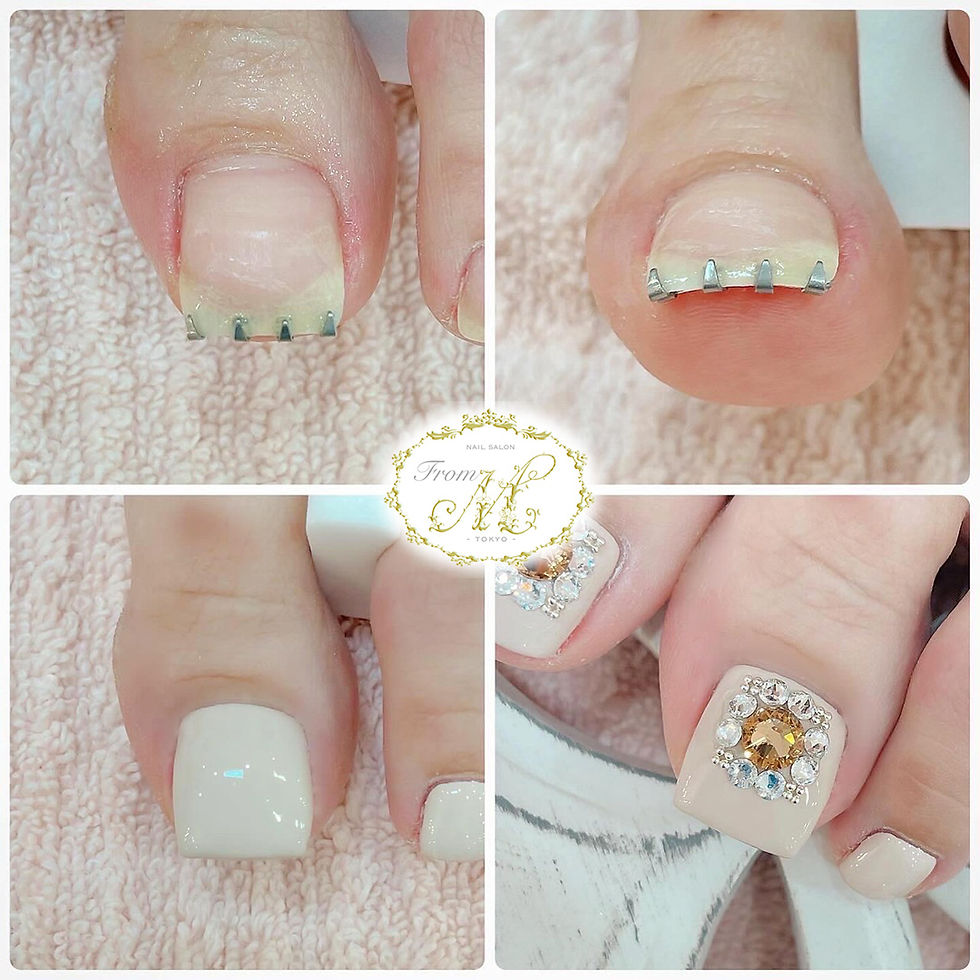
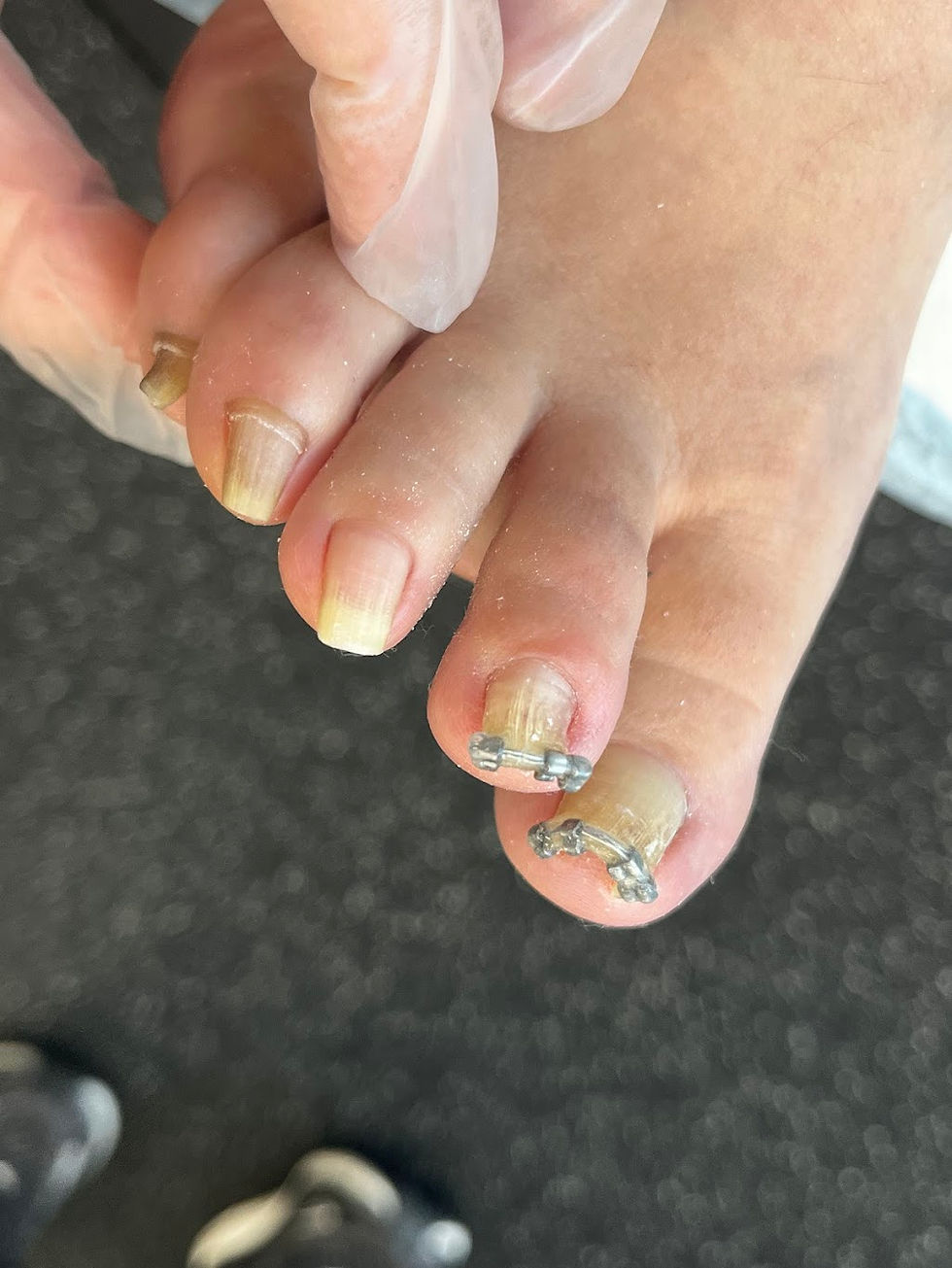
Within this landscape, NailLift is positioned as a mechanical tension-based system designed to provide controlled lift at the distal nail.
This allows for:
immediate reduction in pressure
precise application
adaptability across different nail types
In practice, this makes it particularly relevant for cases where:
more defined lifting force is needed
nail structure is more rigid or pronounced
predictable mechanical correction is a priority
This is not about replacing other systems, but about offering a different option within the overall toolkit.
Increasing Visibility in Professional Nail Care for Nail bracing in Canada
In aesthetic settings, nail professionals are encountering more clients with curved or difficult nails.
Historically, these cases were:
worked around
referred out
or declined
Now, there is growing interest in solutions that allow these clients to remain within the practice.
Nail bracing introduces a way to:
improve nail shape
support ongoing care
transition clients into long-term services
Expanding Conversations in Medical and Foot Care Settings
At the same time, nail bracing is being discussed more frequently in medical and foot care environments.
Conversations with podiatrists, chiropodists, and foot care nurses have highlighted:
the importance of early-stage intervention
the limitations of waiting until conditions become severe
the need for structured conservative options
These discussions are helping define where nail bracing fits within a broader care pathway.
A More Structured Approach
As interest grows, there is also increasing demand for structured systems.
Professionals are looking for:
clear indications
consistent application methods
defined boundaries
formal education
This has led to the development of structured approaches — including certification pathways — that support safe and repeatable use.
Looking Ahead
The growing attention around nail bracing in Canada reflects a broader evolution in nail care.
Professionals are beginning to move beyond isolated techniques toward structured systems, prevention-focused thinking, and long-term outcomes.
As NailLift Canada continues to engage with practitioners across the country — including at the ESI Show Toronto and CAFCN — this conversation is expected to continue expanding.

Comments