
Why Patients Wait Too Long: The Prevention Gap in Nail Care

In clinical practice, there’s a pattern that shows up again and again.
Patients don’t come in early.
They come in when:
the nail is painful
the skin is inflamed
walking is uncomfortable
daily life is affected
By the time they seek care, the problem has already progressed.
What is the prevention gap in nail care?
The prevention gap in nail care is the space between when a nail first begins to change—and when a patient finally seeks treatment.
It’s not just a matter of access.
It’s a matter of awareness.

Early changes are easy to ignore
In the early stages, nail changes are subtle.
A patient might notice:
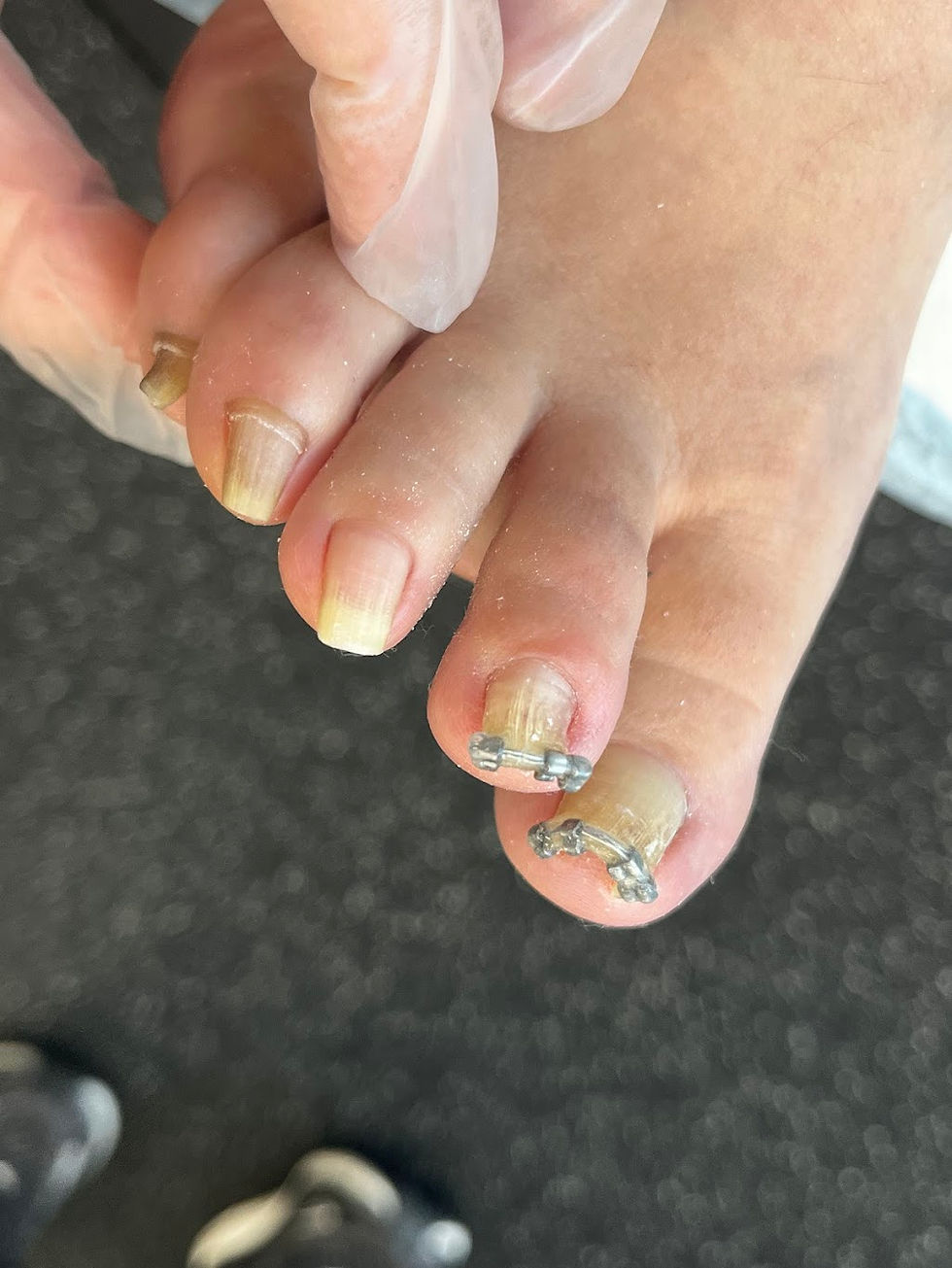
the nail beginning to curve inward
mild pressure at the sidewalls
occasional discomfort
But these signs are often dismissed as:
normal variation
temporary irritation
something that will resolve on its own
There is no urgency—because there is no clear understanding of what is happening.
The term “ingrown nail” comes too late
For many patients, the only term they recognize is ingrown nail.
And that term is associated with:
pain
swelling
infection
the need for medical intervention
So unless the condition reaches that point, patients often do not identify it as something that requires care.
By the time they do, the condition has usually progressed beyond its early stage.
This is one of the key drivers of the prevention gap in nail care.
Where early-stage care is missed
Between a completely normal nail and a clearly ingrown nail, there is a wide range of progression.
This is where:
structural changes begin
pressure gradually increases
the nail starts to influence surrounding tissue
This stage is often overlooked.
Not because care is unavailable—but because patients do not know it exists.
The role of foot care nurses is often invisible to patients
There is also a gap in understanding around who to see.
Many patients assume:
nail care is cosmetic
or that it only becomes medical when severe
The role of foot care nurses sits in between:
preventative
clinical
ongoing
But this role is not always visible to the general public.
As a result, patients delay care until symptoms become difficult to ignore.
What happens when patients wait
When intervention is delayed:
the nail may continue to curve inward
pressure on the surrounding skin increases
inflammation or pain can develop
At this stage, care is still possible—but options may be more limited.
In some cases, more invasive approaches are considered, even though earlier, conservative care may have been sufficient.
Bridging the prevention gap in nail care
Closing the prevention gap in nail care begins with awareness.
Helping patients understand:
that nail changes can be progressive
that early discomfort is meaningful
that care does not need to wait until pain
And just as importantly:
Helping them understand that there are clinical professionals who can intervene earlier in the process.
An overlooked opportunity for earlier detection
Many patients first notice nail changes outside of clinical settings.
Often, these changes are seen during routine nail care—long before they become painful.
This creates an opportunity:
Early-stage changes can be recognized sooner, and patients can be guided toward appropriate care before the condition progresses.
A more connected approach to care
When early signs are recognized and addressed appropriately:
intervention becomes simpler
outcomes become more predictable
the need for invasive care is reduced
This requires a shift:
From reactive care→ to coordinated, early-stage awareness and intervention
Final thought
The challenge is not only treating nail conditions.
It is helping patients recognize when to seek care—and ensuring that early signs are not missed.
Because the greatest opportunity to improve outcomes does not exist at the point of pain.
It exists much earlier.


Comments